Save big on authentic USA flags!
Understanding the Differences Between Printed and Panel Sewn Flags
12/22/20254 min read
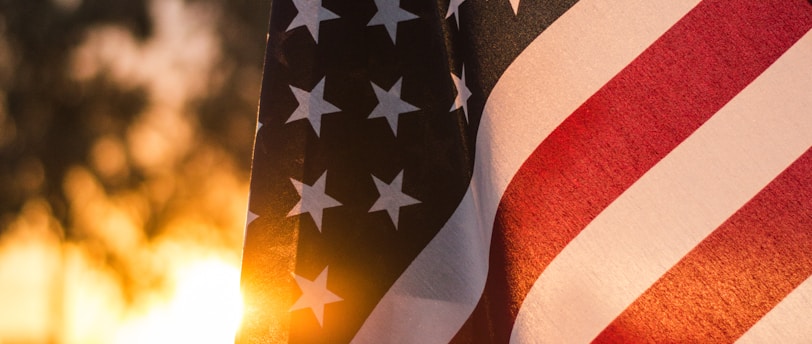

What Are Printed Flags?
Printed flags are a popular type of flag characterized by their vibrant designs and colors, achieved through modern printing techniques. The most common method employed in the production of printed flags is digital printing. This process allows for the creation of detailed and intricate designs, capturing a wide spectrum of colors that may not be possible with traditional flag-making methods. Digital printing utilizes high-quality inks and advanced printers to transfer images directly onto flag materials, enabling complex graphics and photographs to be displayed accurately.
When it comes to the types of fabrics suitable for printed flags, several options are available, including polyester, nylon, and cotton. Polyester is often favored for its durability and weather resistance, making it suitable for both indoor and outdoor use. Nylon flags, being lighter and shinier, provide excellent visibility, particularly in bright sunlight. Cotton, while not as common for outdoor displays, is sometimes used for decorative flags, offering a more traditional appearance.
The benefits of using printed flags extend beyond aesthetics. Their ability to display elaborate designs and slogans makes them a popular choice at promotional events, trade shows, and parades. Organizations often utilize printed flags for branding purposes, and they can also serve decorative roles at festivals and cultural events, adding an artistic flair to the surroundings. Notably, printed flags can be customized to reflect personal or organizational identities, making them versatile tools for communication and expression.
In various contexts, from commercial advertising to private celebrations, printed flags have become essential in conveying messages and enhancing visual impact. Their adaptability and visual appeal have solidified their place in both public and private display, underscoring the importance of understanding their production and application.
What Are Panel Sewn Flags?
Panel sewn flags are a distinct type of flag characterized by their construction, which involves meticulously stitching together multiple panels of fabric. This technique not only enhances the aesthetic appeal of the flag but also contributes to its overall durability. The craftsmanship involved in creating panel sewn flags is significant, as it combines traditional sewing methods with high-quality materials that are capable of withstanding adverse weather conditions.
The materials commonly used in the production of panel sewn flags include durable synthetics such as nylon and polyester, as well as natural fibers like cotton. Each fabric option presents its advantages; for instance, nylon flags tend to be lightweight and resistant to fading, while cotton flags might offer a more classic appearance. The choice of material is often guided by the flag’s intended use, be it for outdoor display or indoor ceremonies.
The artistry behind the stitching in panel sewn flags is an essential aspect of their creation. Skilled craftsmen employ various sewing techniques, ensuring that seams are not only visually appealing but also structurally sound to prevent fraying and tearing. This attention to detail is particularly important in contexts where the flag must endure high winds or exposure to the elements.
Historically, panel sewn flags have their origins in various traditional practices, where flags were produced with purpose and precision, often for ceremonial and national uses. The combination of artistic flair and functional design makes panel sewn flags a preferred choice in many settings. When durability and longevity are key considerations, panel sewn flags indeed stand out as a testament to enduring craftsmanship.
Durability and Longevity of Printed Versus Panel Sewn Flags
When choosing between printed and panel sewn flags, understanding their durability and longevity is crucial, especially for applications exposed to varying environmental conditions. Printed flags, typically made from lightweight materials, are often less durable compared to their panel sewn counterparts. The primary reason for this is that the ink used in printing may fade when subjected to harsh sunlight, rain, and wind over time. Additionally, the quality of the fabric used in printed flags can significantly influence their lifespan; flags made from lower-quality materials are more likely to experience wear and tear.
In contrast, panel sewn flags, which consist of multiple pieces of fabric stitched together, typically exhibit superior durability. The construction method provides added strength, allowing these flags to withstand extreme weather conditions better. Furthermore, higher-grade fabrics, such as nylon or polyester, are frequently used in panel sewn flags, enhancing their longevity. This makes them particularly suitable for outdoor use, where exposure to the elements is a common concern.
Another factor that affects the lifespan of both printed and panel sewn flags is maintenance. Regular care, such as washing and drying according to manufacturer recommendations, can prolong the life of printed flags. For panel sewn flags, regular inspections for fraying seams or fabric damage can help maintain their structural integrity. Proper storage during harsh weather conditions and minimizing sun exposure when possible can further enhance the longevity of both types of flags.
Ultimately, the choice between printed and panel sewn flags will depend on the specific environment they will be used in. By evaluating the conditions they will face and considering the relevant factors affecting durability, individuals can make an informed decision that ensures they select the most suitable flag option for their needs.
Choosing the Right Flag for Your Needs
When it comes to selecting between printed and panel sewn flags, several factors should guide your decision, ensuring that the right option aligns with your requirements and expectations. First, consider your budget. Printed flags typically offer a more economical solution, especially for large quantities or temporary displays. The production process for printed flags is generally faster and less costly, making them ideal for events such as festivals or promotional activities where cost-effectiveness is crucial.
In contrast, panel sewn flags are often more expensive due to the labor-intensive sewing process. They are crafted from high-quality materials, providing superior durability and a professional finish. This makes them suitable for long-term use, such as in corporate environments or as permanent fixtures on flag poles. If durability and longevity are priorities, investing in a panel sewn flag could be the more practical choice.
Another important consideration is your intended use of the flag. If the flag will be displayed in high-traffic areas or subjected to varying weather conditions, the robust construction of a panel sewn flag may be more advantageous. On the other hand, if the flag is meant for a one-time event or a short period, a printed flag might fulfill your needs without unnecessary expenditure.
Aesthetics can also play a critical role in the decision-making process. If you have specific design preferences or require intricate detailing, panel sewn flags may offer the quality necessary to achieve these visual effects. Conversely, for simpler designs or versions with a more graphic-oriented appearance, printed flags can deliver appealing results while ensuring a vibrant color palette.
Ultimately, understanding the distinctions between printed and panel sewn flags will empower you to make informed decisions. By weighing your budget, intended use, and aesthetic preferences, you can select the flag that best commemorates your purpose, ensuring a meaningful representation of your message or identity.
Brand
Explore our sleek website template for seamless navigation.
Contact
Newsletter
info@email.com
123-123-1234
© 2024. All rights reserved.